
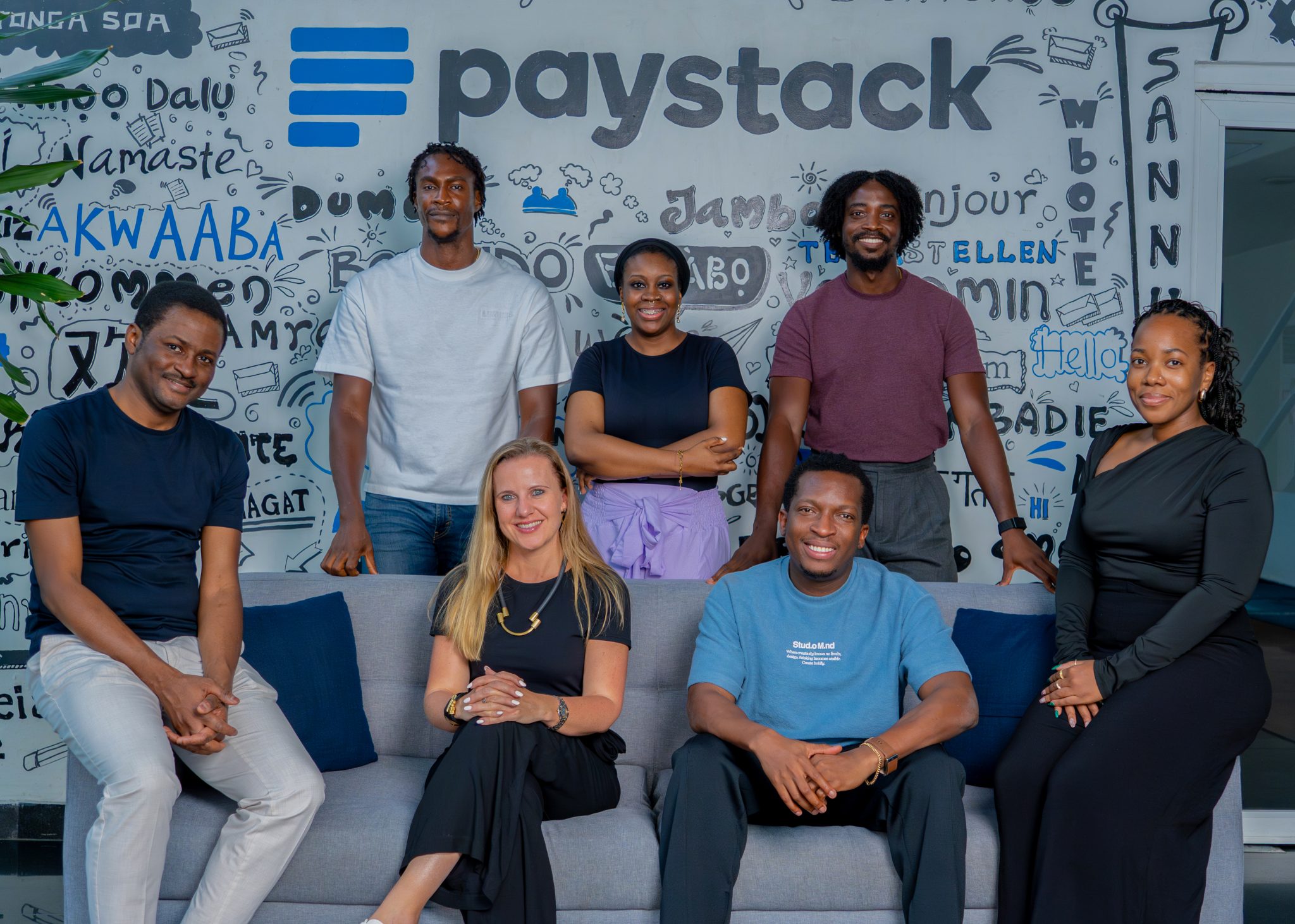
Paystack, the Nigerian fintech acquired by Stripe, has restructured its operations under a newly formed holding company, The Stack Group, as the company reports group-wide profitability and positive monthly cash flow.
The new structure brings Paystack, its consumer payments app Zap, Paystack Microfinance Bank, and a venture studio under a single umbrella, marking a shift toward a multi-brand technology group with ambitions beyond merchant payments.
While Stripe’s $200 million acquisition made Paystack a wholly owned subsidiary, The Stack Group introduces a different ownership structure. The holding company is jointly owned by Paystack chief executive officer Shola Akinlade, Stripe, and existing Paystack employees, known internally as Stacks. The company declined to disclose the breakdown of the cap table.
The launch coincides with a period of strong financial performance, with Paystack growing payment volumes more than twelvefold since the Stripe acquisition and reaching profitability across the group.
Akinlade said the new structure reflects a broader long-term ambition. He added that the holding company sets the tone for the company’s next decade, allowing it to pursue multiple growth paths while preserving focus on its core payments business.
The restructuring formalises a transition that has been underway for over a year. With the rollout of Zap and the launch of Paystack Microfinance Bank, the company has gradually expanded from merchant payments into consumer finance and banking, seeking greater control over the flow of funds and new revenue streams.
By separating its merchant payments business from newer verticals, The Stack Group allows each unit to pursue independent strategies while limiting regulatory, operational, and reputational spillovers. Payments, banking, and consumer financial products carry different risk profiles, and housing them under a holding company allows licences, compliance, and oversight to be managed separately.
The structure also allows Paystack’s core business to remain a focused merchant payments provider, while Zap and Paystack Microfinance Bank compete in Nigeria’s crowded consumer finance market without diluting the Paystack brand.
Paystack was founded in 2016 and quickly rose to prominence as a low-cost alternative to existing online payment processors in Nigeria. It became the first Nigerian startup accepted into Y Combinator and achieved one of Africa’s largest technology exits when it was acquired by Stripe in 2020.
Since then, the company has expanded operations to five African countries and now processes trillions of naira in payments each month. Its improved balance sheet has enabled it to experiment beyond payments, including the creation of a venture studio focused on developing new products using emerging technologies.
The Stack Group will operate with a separate board from its subsidiaries, continuing a governance model that maintains multiple boards across the group in line with regulatory requirements. Subsidiaries will retain operational autonomy, with leadership structures tailored to their individual stages of growth.
The company joins other Nigerian technology firms, including Moniepoint and Interswitch, that have adopted holding company structures to support multi-business ecosystems and long-term expansion.
Despite entering competitive consumer payments and banking markets, Paystack said it remains focused on long-term ambition rather than short-term rivalry. The company plans to draw on its experience serving African businesses, while acknowledging that scaling consumer-facing financial products presents challenges distinct from merchant payments.