
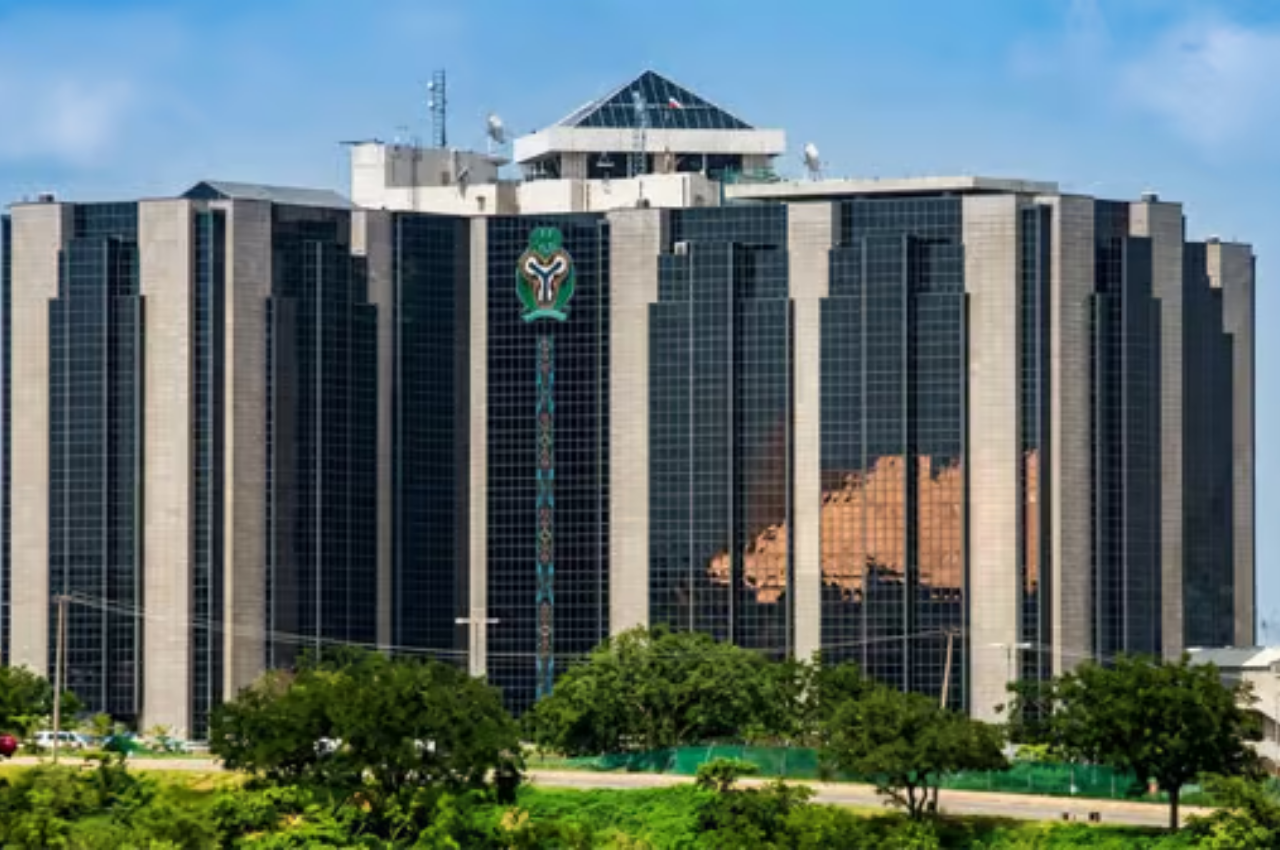
Nigerian fintech companies are asking the Central Bank of Nigeria to clearly spell out which cryptocurrency related activities are allowed for licensed financial institutions, as interest in digital assets continues to grow across the country.
The request follows findings from the CBN’s newly released Fintech Report, which draws from surveys, workshops, and closed sessions with operators across Nigeria’s financial technology ecosystem. While many firms see crypto assets as relevant to payments and financial inclusion, regulatory uncertainty remains a major constraint.
According to the report, fintech leaders believe clearer rules could unlock use cases such as cross border payments, digital asset custody, tokenisation, and stablecoin services. However, the lack of detailed guidance has limited how banks and licensed fintechs engage with the sector.
Stakeholders broadly supported a risk based, activity focused approach rather than broad restrictions, arguing that distinguishing between lower risk applications and higher risk activities would allow innovation to develop while preserving oversight and consumer protection.
Participants also raised concerns about fraud and price volatility, calling for stronger public guidance without framing all crypto activity as illicit.
The report points to international examples such as Singapore’s digital asset licensing framework and the European Union’s Markets in Crypto Assets rules as reference points for balanced regulation.
In Nigeria, the CBN’s 2023 virtual asset guidelines allowed banks to open accounts for virtual asset service providers. Industry players say clearer enforcement would improve confidence and support responsible market participation.