
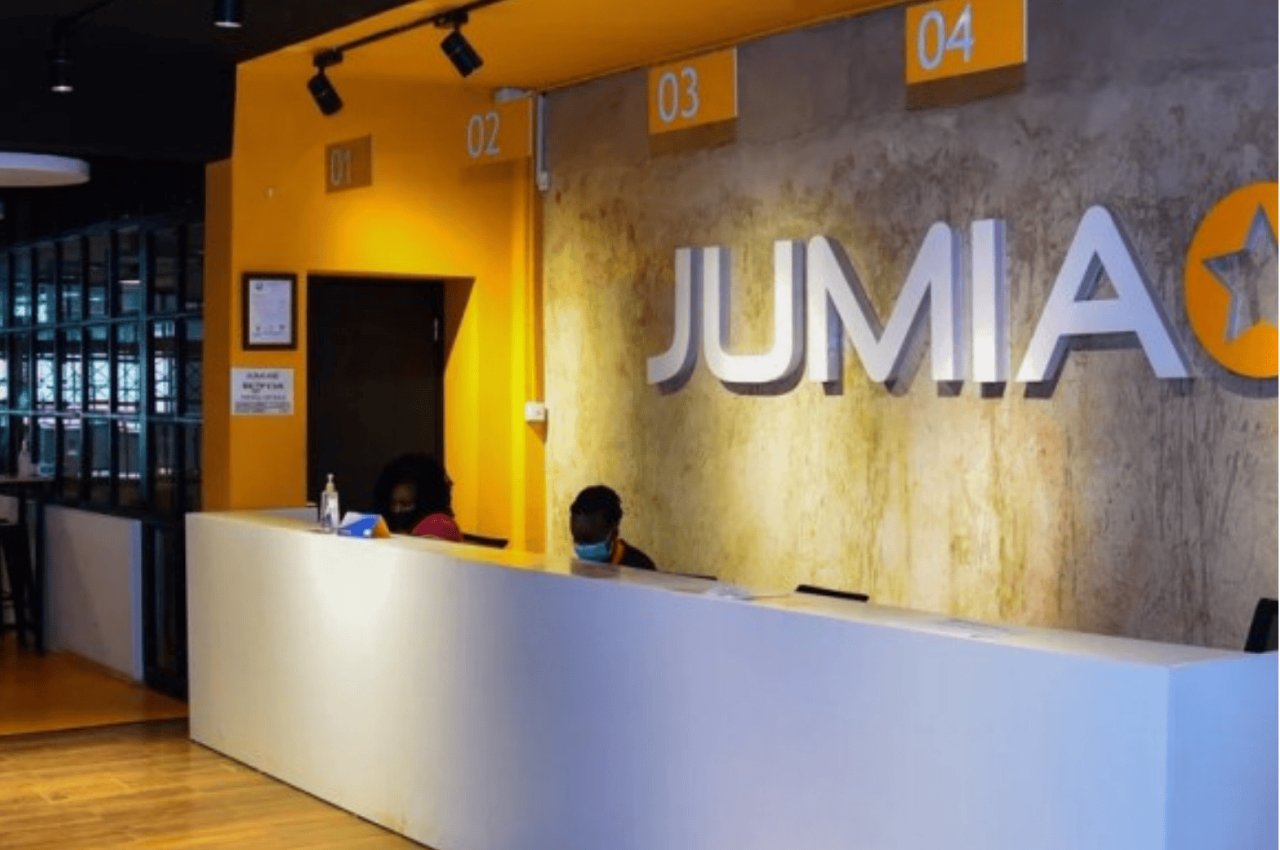
Jumia has formally ended its operations in Algeria, continuing a steady pullback from markets where scale has proved limited and profitability harder to achieve.
The decision, disclosed in the company’s 2025 full-year report, reflects a broader effort to concentrate resources in markets with stronger growth prospects, particularly Nigeria, Egypt and Morocco. Algeria accounted for about 2 percent of Jumia’s gross merchandise value in 2025, making it a relatively small contributor to group performance.
Founded in 2012 by Sacha Poignonnec and Jeremy Hodara, Jumia built its early reputation on rapid geographic expansion across Africa. In recent years, however, management has shifted toward operational discipline, cost control and clearer paths to profitability.
The company expects to record one-time exit costs related to employee severance and other wind-down expenses. It said the changes to its geographic footprint are intended to improve efficiency and allow management to focus capital on core markets.
The move comes as competition intensifies across African eCommerce, with global platforms such as Temu and Shein expanding their cross-border presence. In response, Jumia has strengthened its sourcing capabilities, including opening an office in Yiwu, China, to enhance procurement and price competitiveness.
Jumia has reiterated its target of reaching adjusted EBITDA breakeven by the fourth quarter of 2026 and achieving full-year profitability in 2027. For 2026, it expects gross merchandise value growth of between 27 and 32 percent, alongside a narrower adjusted EBITDA loss.
The Algeria exit signals a company prioritising sustainability over reach, reflecting a maturing phase for Africa’s eCommerce sector.