News In Brief

News In Brief

CBN Upgrades Opay, Moniepoint to National Status

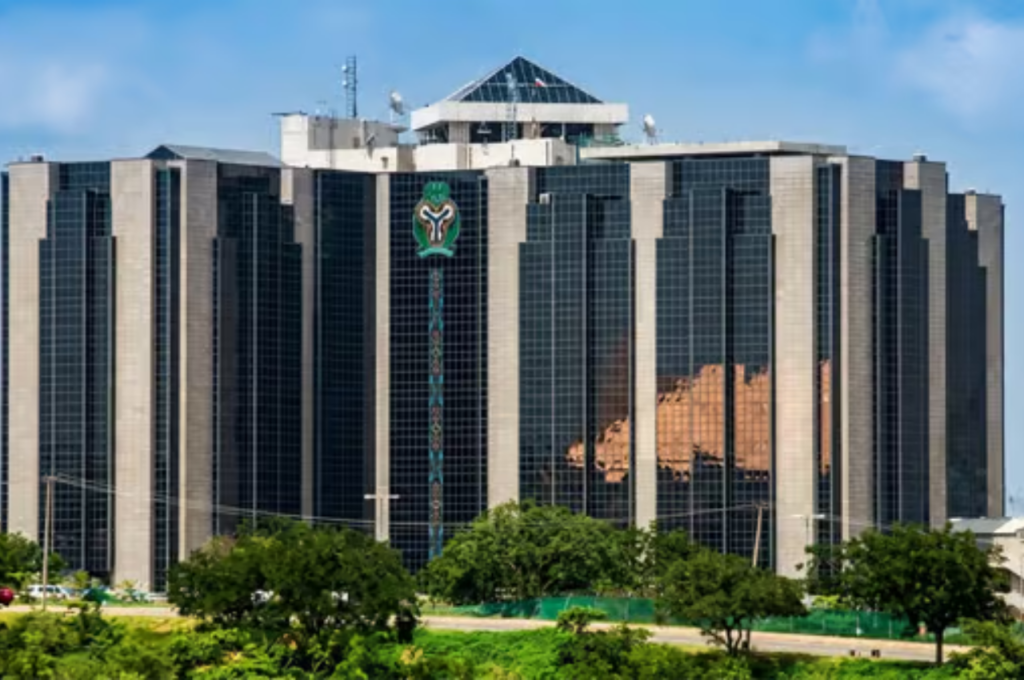
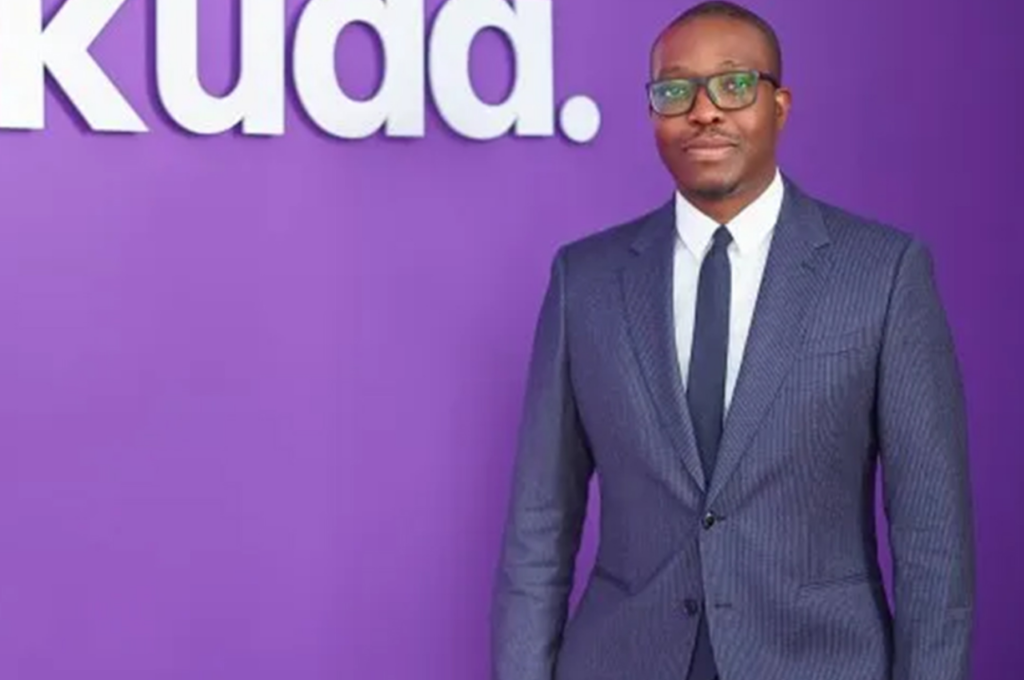
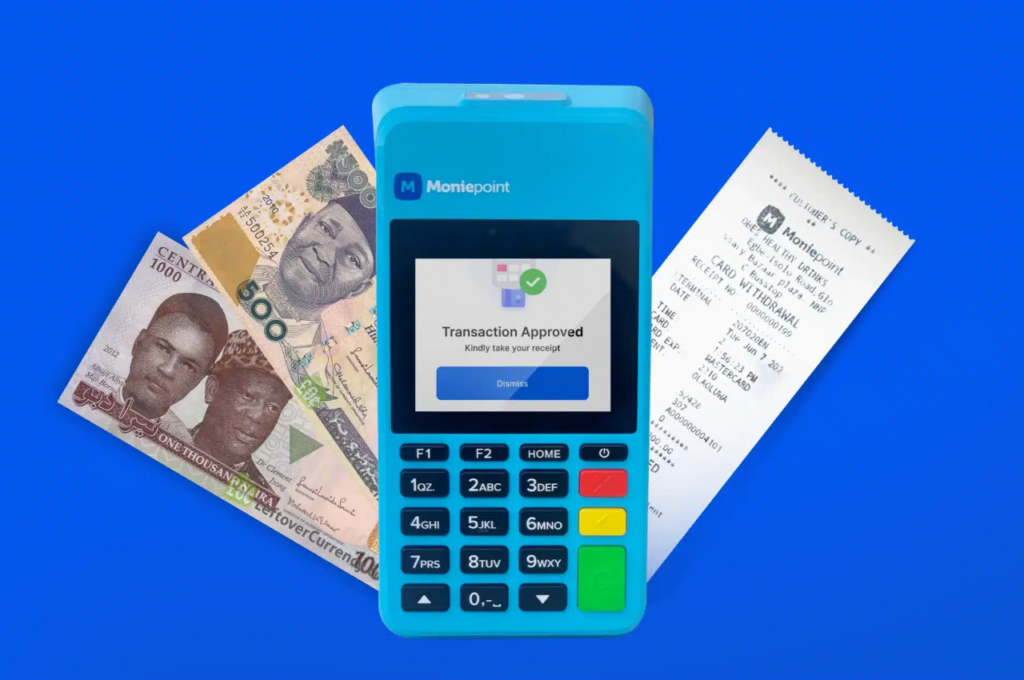
Nigeria’s central bank has upgraded the operating licences of several leading fintech companies and microfinance banks, bringing their regulatory status in line with how widely they already operate across the country. The Central Bank of Nigeria said the move covers firms such as Opay, Moniepoint, Palmpay, Kuda Bank, and Paga, all of which have now been approved to operate nationally. Speaking in Lagos at the annual conference of the Committee of Heads of Banks’ Operations, Yemi Solaja, director of the CBN’s Other Financial Institutions Supervision Department, said many of these institutions had long outgrown their earlier regional licences. In practice, he noted, their services were already being used across Nigeria through mobile apps and large agent networks. Founded and scaled by local founders who focused on everyday payments and small businesses, these fintechs built momentum by serving informal traders and consumers often overlooked by traditional banks. As their customer bases expanded, the gap between licence limits and real activity had became harder to ignore. As a result, the regulator has moved to formalise their reach. With national licences, the firms are now subject to higher capital requirements and stricter supervision. National microfinance banks must maintain minimum capital of ₦5 billion and keep physical offices where customers can raise complaints knowing there is a clear point of contact. Overall, the licence changes reflect a broader effort by the regulator to match Nigeria’s fast growing digital finance sector with stronger oversight, while still supporting financial inclusion at scale.

News In Brief, Startups

Trove Takes Brokerage Operations In House With UCML Securities Purchase

Nigerian investment platform Trove Finance has acquired UCML Securities Limited, bringing its brokerage services in house as it looks to gain more control over how trades are executed and regulated. Although the value of the deal was not disclosed. Following the acquisition, UCML Securities has been rebranded as Innova Securities Limited, which will now operate as Trove’s Securities and Exchange Commission licensed broker dealer in Nigeria. Founded in 2018, Trove Finance started by working with third party brokers to give Nigerian investors access to local and global markets. A model that helped the company grow quickly while staying compliant. Over time, however, higher trading volumes and a wider range of products made closer oversight more important. Chief executive Oluwatomi Solanke said owning a licensed broker allows Trove to take direct responsibility for trade execution, compliance, and governance, while also improving how quickly new features are developed. Trove says it has processed more than ₦500 billion in trades since launch and has been downloaded over 400,000 times. as the platform is among a group of early African digital investment startups focused on widening access to global markets for retail investors. With the purchase of UCML Securities Limited, Trove gains greater visibility into settlement timelines and regulatory processes. Some staff from UCML, especially in compliance and operations, have moved into the newly renamed Innova Securities Limited to support continuity. Existing user accounts opened through previous brokerage partners will remain active and will be moved to Innova gradually. New users will be onboarded directly under the new structure. The move follows a broader shift among Nigerian fintechs toward owning licensed infrastructure as companies mature and face closer regulatory attention.

Africa Focus, News In Brief

Startup World Cup Regional Competition Set for Abuja in May

The Startup World Cup’s regional competition is scheduled to hold in Abuja in May, giving African startups a chance to pitch for a place at the global finals and compete for a $1 million investment prize. The competition will run as part of the RegTech Africa Conference and Exhibition in Nigeria’s capital, in partnership with Pegasus Tech Ventures, the organiser of the global Startup World Cup pitch series. Startups across sectors such as fintech, regtech, payments, AI, cybersecurity, digital identity, healthtech, agritech, e-commerce and climate tech can apply to compete. The Abuja event will select one top startup to represent the region at the Startup World Cup global finals, where companies pitch for investor backing and international exposure. Finalists in Abuja will pitch live to a jury of venture capitalists and industry leaders, according to the organisers. RegTech Africa chief executive officer, Cyril Okoroigwe said bringing the Startup World Cup qualifier to Abuja is meant to tighten the link between innovation, regulation and capital. He framed the competition as a route for founders to reach global investors and partners while building solutions that can scale across African markets. For startups, the draw is not only the prize money. The audience typically includes regulators, corporate decision makers, investors and ecosystem partners, which can speed up pilots, partnerships and fundraising for companies building in heavily regulated sectors like finance, identity and cybersecurity. Applications are open, and the organisers urged startups to register early.

News In Brief, venture capital

Hashgraph Ventures Pledges $1 Million to Hedera Africa Hackathon

Hashgraph Ventures, a venture capital firm based in Abu Dhabi, has pledged $1 million to the next Hedera Africa Hackathon, adding fresh backing to one of the continent’s largest Web3 focused developer programmes. The pledge comes through the wider Hedera ecosystem. Hashgraph Ventures, part of the Hashgraph Association, is a Swiss non profit that supports training, certification, and innovation programmes for Hedera powered solutions. The firm said it backs early stage ventures and projects building real world tools and solutions across blockchain, artificial intelligence, and deep technology. Additionally, organisers said the new commitment takes equity investment commitments tied to the hackathon to $2 million, following participation from United Gulf Financial Services (UGFS). Alongside, they also stated that the next edition will run with a $1 million prize pool, contributed by The Hashgraph Association and the Exponential Science Foundation. By way of background, the first Hedera Africa Hackathon ran between August and October last year, using a hybrid format across more than 20 African cities. Organisers said it drew 13,000 developers and produced 1,300 project submissions. During the programme, teams built Hedera powered concepts across sectors including finance, healthcare, telecoms, sustainability, agriculture, and manufacturing, with attention on how AI can work with areas like IoT, robotics, and quantum computing. Commenting on the pledge, Kamal Youssefi, president of The Hashgraph Association, said the commitment reflects support for scalable adoption of distributed ledger technology, and follows what he described as strong outcomes from the earlier programme.

Africa Focus, News In Brief

Egypt Brings Banks, Startups, and Regulators Together for AI Everything MEA in Cairo

AI Everything MEA Egypt 2026 is set to hold in Cairo on February 11 and 12, as Egypt and its partners push to make artificial intelligence a working layer inside the economy, not a side project. The event, organised by GITEX GLOBAL and hosted with Egypt’s Ministry of Communications and Information Technology and ITIDA, will bring together technology firms, banks, startups, regulators, and investors, with expected participation from over 60 countries. This timing is closely linked to Egypt’s National AI Strategy 2025 to 2030, which treats AI as a long term national priority. The strategy focuses on practical building blocks like access to computing power, local model development, stronger data governance, and faster adoption across key sectors. Official estimates tied to the plan put AI’s potential contribution to GDP at $42.7 billion over the coming years. Investment momentum is part of the backdrop. Foreign direct investment is estimated to have risen from $10 billion in 2023 to $47 billion in 2024, while Egyptian startups raised $330 million in the first five months of 2025, according to figures referenced in strategy and ecosystem tracking. Finance is expected to be a major theme with sessions to focus on how banks, payment providers, and fintechs are using AI for risk checks, fraud detection, customer support, and compliance work. For African markets where digital payments keep growing, these tools often decide how fast trust, inclusion, and cross border flows can scale. The programme also introduces a Chief AI Officer track for enterprise leaders, with closed door discussions on deployment, governance, and alignment with national priorities.

News In Brief, Startups

Chipper Cash Reaches Operating Break Even After Two Year Restructuring

Chipper Cash, the African fintech best known for cross border transfers and consumer payments, said it covered its operating costs in the fourth quarter of 2025 after a two year restructuring that trimmed spending. Co-founder and chief executive Ham Serunjogi shared the update via a LinkedIn post, saying the company’s operating revenue was enough to fund day to day expenses. However, it did not state the figures. The shift comes as many African consumer fintechs move from growth at all costs to tighter margin control, especially as venture funding has slowed and regulators have increased scrutiny of payments firms. Chipper’s rebound is tied to a smaller set of priorities. A source close to its operations said Nigeria and Uganda are among its strongest revenue markets, alongside demand for US dollar virtual cards. Those cards have gained traction as more Africans struggle to pay for global subscriptions and services with local bank cards, particularly in markets where foreign exchange access is uneven. Two former employees familiar with the company’s finances said Chipper is now profitable and has about 24 months of runway, Although the company did not respond to a request for comment. Chipper was founded in 2018 and expanded across Africa, the US, and the UK. It rode the 2021 venture peak to a reported $2.2 billion valuation before later being marked down, with Forbes placing it in a $250 million to $500 million range as global tech valuations fell and some backers, including FTX and Silicon Valley Bank, collapsed. The wider trend is clear showing how fintechs are prioritising products that generate predictable revenue and can survive long funding winters especially in current volatile FX environment.

News In Brief

Nedbank moves to buy control of Kenya’s NCBA in $856m East Africa play

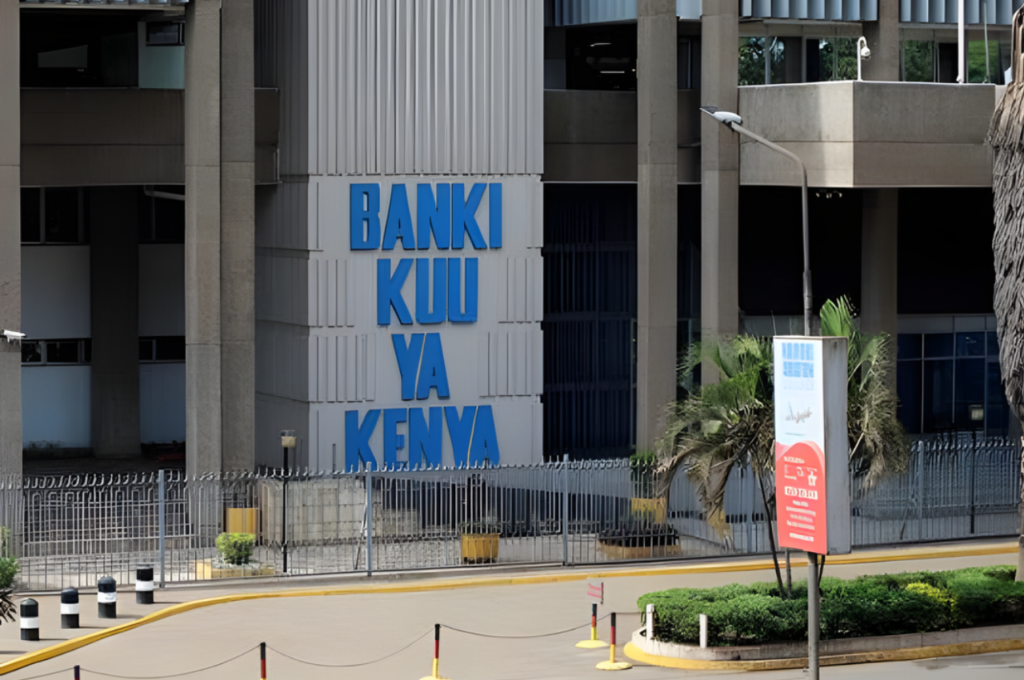
South Africa’s Nedbank has made a cash-and-shares offer to buy 66% of Kenya’s NCBA Group in a transaction valued at about $855.5 million, tightening the link between two banks that sit on opposite ends of Africa’s fastest-growing retail markets. NCBA said the proposal prices the lender at about 1.4 times book value. The structure keeps NCBA listed on the Nairobi Securities Exchange, with the remaining 34% of shares continuing to trade locally, while NCBA would become a subsidiary of Nedbank if the deal closes. Shareholders who tender their shares would receive 20% of the consideration in cash and 80% in newly issued Nedbank ordinary shares listed on the Johannesburg Stock Exchange. The share-heavy mix reduces the immediate cash cost for Nedbank, while giving NCBA investors exposure to the South African bank’s performance. The deal brings together two leaders with different strengths. According to Nedbank’s Chief executive officer, Jason Quinn, this deal serves as a better entrance into East Africa, choosing an established platform over the slower work of building from scratch. While NCBA CEO, John Gachora has framed it as bringing in a strategic partner with deeper capital and cross-border capability, one that can help the group grow in its current countries and widen its options for the next set of markets. Formed in 2019 through the merger of NIC Group and Commercial Bank of Africa, NCBA operates 122 branches across Kenya, Uganda, Tanzania and Rwanda, and offers digital banking services in Ghana and Côte d’Ivoire. The bank has built a large digital lending and payments franchise, which has helped it scale beyond its home market. The proposed acquisition fits a wider trend of African banks pursuing cross-border consolidation to capture regional trade flows and deepen digital retail banking in high-growth corridors.

News In Brief

Flutterwave Rolls Out Stablecoin Balances for Merchants With Turnkey, Nuvion

Flutterwave has launched stablecoin balances for merchants and users on its platform, partnering with wallet infrastructure provider Turnkey and global banking platform Nuvion to support embedded wallets for cross border payments. Founded in 2016 by Olugbenga Agboola and Iyinoluwa Aboyeji, Flutterwave has grown into one of Africa’s largest payments infrastructure firms by helping businesses accept and move money across markets. The company is now extending that core pitch into stablecoins, as more merchants look for faster settlement and lower fees than traditional banking routes often allow. The new feature lets selected users hold and transact in stablecoins such as USDC and USDT, alongside fiat balances including the U.S. dollar and the naira, within Flutterwave’s products. The company said the rollout will start with a limited group of merchants, with plans to expand access later in the year. Nkem Abuah, Flutterwave’s lead for remittances and stablecoin partnerships, said the aim is to make it easier for African businesses to accept regulated payment methods from a global customer base, including stablecoins. Turnkey is providing the wallet and security layer that powers the embedded wallet experience, while Nuvion is designed to bridge fiat and stablecoin rails so merchants can move between currencies within a single workflow. Turnkey chief executive Bryce Ferguson said stablecoins can reduce reliance on intermediaries and improve efficiency for business owners. Flutterwave has been building toward this shift. In October 2025, it partnered with Polygon Labs for cross border stablecoin settlement, and it has continued to expand its infrastructure footprint, including its acquisition of Nigerian open banking startup Mono in 2025.

News In Brief

Nigeria Leads Africa in Deals Count but Low on Funding Share Ratio

African startups recorded $3.8 billion in funding in 2025, up 32% from 2024, according to Briter’s Africa Investment Report 2025. The recovery was uneven. Capital flowed mainly to a small group of markets and a small number of large rounds. Nigeria recorded its lowest share of funding among Africa’s four largest startup hubs. Startups in the country accounted for 8% of total disclosed funding in 2025, behind South Africa (32%), Kenya (29%) and Egypt (15%). It was Nigeria’s weakest share since 2019, a shift for a market that previously led Africa by deal value. The fall came even as Nigeria posted the highest number of deals on the continent. That split, high deal volume but low share of capital, suggests a market where company formation and early stage fundraising remain active, while growth stage funding has become harder to secure. Briter’s report shows that cheque sizes increasingly skewed toward fewer, larger rounds, which shaped outcomes. In 2025, fewer than 5% of deals exceeded $50 million, yet those deals accounted for about half of disclosed funding. This concentration helped shape outcomes in markets that attracted late stage capital, while countries with more early stage rounds saw smaller totals despite high activity. Only a handful of large Nigerian rounds stood out in 2025 with Moniepoint’s $90 million Series C extension one of the country’s biggest disclosed deals. Kenya and South Africa, by comparison, benefited from more growth stage capital landing in fewer companies. Egypt continued to attract sizeable rounds, including in capital intensive sectors that tend to draw larger cheques. The report linked Nigeria’s weaker share to market conditions as well as investor preference pointing to macroeconomic pressures, currency volatility, and reduced foreign investor exposure as factors that have dampened large equity investments in Nigeria over recent years. Nigeria’s relative share has declined since 2021, even as deal activity remained high. By sector, fintech and digital financial services remained the most funded category in 2025 by both value and deal count, maintaining a long running trend across the continent. This is closely followed by climate focused solutions raising more than three times their 2024 total, with solar energy leading funding activity. Much of that climate capital went to markets seen as offering clearer infrastructure pathways and more predictable returns, including South Africa and Kenya. Investor attention to artificial intelligence also increased, despite that funding was concentrated in applied products rather than deep research and development. The report also highlighted a shift in how startups financed growth. Debt financing crossed $1 billion for the first time, overtaking equity as some scaled startups relied more on loans, structured facilities and other non-dilutive instruments. This move reflects a preference for revenue strength, asset backing and predictable cash flows, rather than aggressive expansion. Exit activity subsequently reached an all-time with over 63 acquisitions recorded in 2025. More than half involved corporate buyers rather than other startups or private equity firms. Although most deals values were not disclosed, but the volume points to a market where acquisitions are becoming a more common path to scale. Foreign investors remained the main source of venture funding, led by the United States and Europe. The pool is gradually widening, with more inflows from Asia and the Gulf, alongside a stronger base of Africa focused investors providing steadier capital. For Nigeria, the picture is mixed. Even as it continues producing more start-ups and closing deals than any other market, the funding decline suggests fewer companies are reaching the stage where they can attract large rounds, or investors are choosing to place growth capital elsewhere.

News In Brief

Nigeria’s MAX Raises $24 Million to Scale Electric Mobility and Clean Energy Infrastructure

Nigerian electric mobility startup MAX has raised $24 million in fresh funding to accelerate the rollout of electric vehicles and clean energy infrastructure across Africa, as the continent looks to reduce transport costs and emissions. MAX, which operates Africa’s first integrated electric vehicle and battery subscription platform, said the funding will support the expansion of its EV fleet, solar-powered battery-swapping network, and mobility technology across multiple African markets. The funding round combines equity investment from Equitane DMCC, Novastar, Endeavor Catalyst, and other global investors, alongside asset-backed and climate-focused debt from the Energy Entrepreneurs Growth Fund, managed by Triple Jump, and other development finance partners. MAX operates across Nigeria, Ghana, and Cameroon, offering electric vehicles, battery swapping, financing, and fleet management technology tailored to Africa’s informal and commercial transport sectors. The company aims to lower operating costs for drivers while supporting the transition to zero-emissions mobility. The startup said the capital will be deployed to rapidly scale its electric vehicle fleet, expand its battery-swapping infrastructure powered by renewable energy, strengthen its proprietary Internet of Things and fleet management systems, and support further geographic expansion across West and Central Africa. “Profitability in Nigeria proves that electric mobility in Africa is not a future concept. It is viable, scalable, and investable today,” said Adetayo Bamiduro, co-founder and chief executive officer of MAX. “This capital allows us to scale faster, deepen clean energy infrastructure, and build a truly pan-African mobility platform that expands access, lowers costs, and delivers durable impact.” The funding underscores growing investor interest in African climate and mobility solutions, as governments and businesses seek alternatives to fossil fuel dependent transport systems amid rising fuel prices and urban congestion.